





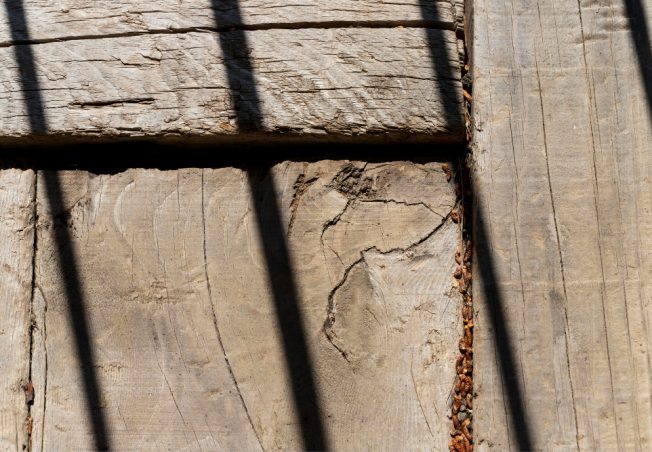
Termites are sneaky. They do not show up with a loud bang. They show up as a soft spot on a window sill, a door that starts to stick, or a weird “dust” line you swear was not there last week. I see this all over Orange County, even in new homes. If you use handyman services for small fixes, you can catch it early and save stress. Let me show you what I look for, plus a few mistakes I made.
The Early Clues Most People Miss
Most of the time, the first clue is not a big hole. It is a change in feel.
Quick checks you can do in 5 minutes:
- Tap baseboards with your knuckle. Hollow sound? Red flag.
- Press trim near bathrooms and windows. If it “gives,” mark the spot.
- Look for thin “mud tubes” on drywall or the foundation.
- Watch for small piles that look like pepper or sand near wood.
Life hack: keep a flashlight in the junk drawer. Shine it low across trim. Shadows make blisters and tiny cracks stand out.
If paint looks bubbly for no clear reason, I treat it like a smoke alarm.
A Case That Made Me Nervous
A client said, “It’s just a scuff.” I almost agreed. Then I poked the closet baseboard with a flat screwdriver. The tip sank in like butter. My stomach dropped. We opened a small section and found tunnels inside the wood. That is the part nobody sees.
What A Termite Damaged Wood Handyman Does
A termite damaged wood handyman is not a pest company. We fix what termites leave behind.
From my experience, the job usually looks like this:
- Remove weak sections and cut back to solid wood
- Replace trim, fascia, sill plates, or wall frames
- Seal gaps and prep for paint so it matches
I once replaced boards that got hit again. The home had no treatment. I now ask, “Has a pro treated the termites yet?” If not, I push for that first.
When It Is Time To Replace Wood
Here is my rule: if the wood still has strength, you may repair. If it feels weak, replace it.
Choose replacement when:
- The damage goes deep, not just on the surface
- A screw will not bite and hold
- The piece supports weight (sills, porch posts, wall frames)
- The damage runs along a long stretch
- The wood is soft from water too
A repair can work when the spot is small and solid after you scrape it, or the damage is on trim, not structure. Also, if you can cut back to clean and firm wood.
Ask yourself:
- Can I poke it and it stays firm?
- Does this piece matter for safety?
- Will a patch solve it, or hide it?
If you feel unsure, you are not alone. Termites make good wood look fine from the outside.
After Replacement: Lower The Chance Of Round Two
After we replace the weak wood, you can do a few simple things that really cut the risk of termites coming back. First, look at the ground line around your house. If dirt or mulch touches wood, pull it back so there’s a small “dry gap” you can see. Termites hate being exposed.
Next, treat water like an alarm. Check under sinks, surrounding the water heater, and also around patio doors. Even the drip of the drip can make wood soft. When you keep firewood, you should not put it close to the house or on the ground, preferably.
Thereafter, go outside and search window and door cracks. New caulk is used in order to keep moisture away. Finally, tip: choose a day in spring and make a quick check. Put it on your phone calendar, grab a flashlight, and do a slow lap.
Conclusion
Termite damage feels personal. Like your house got picked on while you slept. The good news is you can spot early clues with a tap, a poke, and a flashlight. If the wood feels weak or holds weight, wood replacement is often the safer call. A quick look now beats a big bill later. Want a second set of eyes and a clean fix? Contact Fixi to submit a request, read more on our site, or book a visit for repairs and wood replacement.