





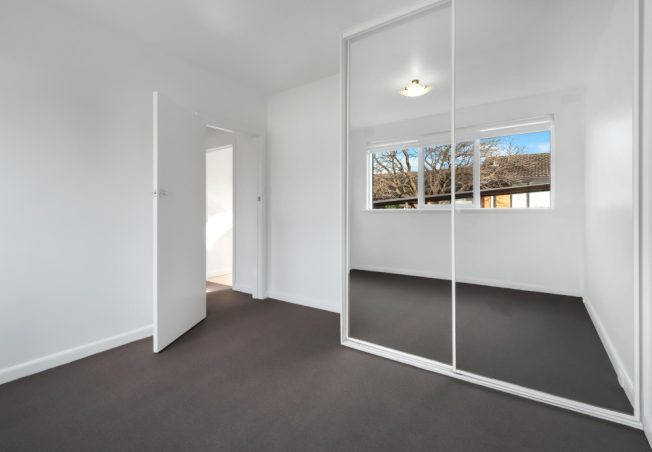
Ever catch yourself looking at a mirror and thinking, “It’s just glass… what’s the big deal?” I’ve thought that too. Then I’ve seen what one mirror can do to a room. Put it in the right spot and the living room feels bigger, the hallway stops feeling like a cave, and the bathroom gets that clean, calm “hotel” look. Put it in the wrong spot and, yeah… it can feel weird fast. Too high, too low, facing the wrong thing. Suddenly the room feels off and you can’t even explain why.
The Magic of Light
Let’s be honest – natural light is like gold in a home. And mirrors? They are your best means of scattering it about. When you put a mirror facing or close to a window, it reflects the light into the room. Things are not so ugly in that dark end, after all.
We noticed this in a client’s small apartment in Irvine. The living room had just one narrow window. We installed a large rectangular mirror opposite it – and boom, the space felt twice as bright. She literally texted, “It feels like I took the ceiling off!” That’s the power of smart mirror placement.
Quick tip:
- Avoid putting mirrors directly across from clutter or a messy shelf – it doubles the mess.
- Angle mirrors slightly to bounce light in the direction you want, not straight back at the window.
How Mirrors Change Space
Have you ever entered a small corridor that seemed like a tunnel? A mirror can fix that. It deceives the eye; it is deep and balanced. A huge mirror above the sink can transform a small space into a spacious area, even in bathrooms.
On personal projects, I have learned one simple rule, which is that a reflection in the mirror ought to be something worth viewing. A beautiful lamp, a piece of art, or a view out the window – that’s what you want it to “echo.”
A mirror installation handyman knows how angles, height, and wall type affect the result. Mounting too high or too low can ruin the effect. Once, I helped a client who had installed a mirror herself – it faced directly at the door. Every time she walked in, she got startled seeing her own reflection. We lowered it and turned it slightly toward the room’s focal point. Problem solved, mood lifted.
Common Mistakes People Make
Let’s be real – mirrors can go wrong fast. Here are a few mistakes I see all the time:
- Placing mirrors opposite clutter. You’ll double the chaos.
- Hanging them too high. A mirror should reflect faces, not ceilings.
- Ignoring wall strength. Heavy mirrors need anchors suited to drywall, concrete, or tile.
- Choosing the wrong size. A tiny mirror on a big wall just looks lost.
If you’re not sure, call a mirror installation handyman. It’s cheaper than replacing a broken mirror or fixing a cracked wall later.
The Flow Factor
There’s also something about the “flow” of a room – how your eyes move through the space. A mirror placed right helps guide that movement. It makes rooms feel connected, like one space flows naturally into another.
One house we worked on in Laguna Niguel had this long path from the front door to the dining area. We lined up a few mirrors along that walk, not huge ones, just placed with purpose. Guests would walk in and say, “It just feels open.” That’s the secret – mirrors aren’t decoration, they’re direction.
Conclusion: Small Change, Big Impact
Mirrors are more than decoration – they’re light, space, and mood in one simple piece. The hard part isn’t buying the mirror. It’s placing it. A few inches left or right can change what it reflects, and that changes the whole mood.
Ever hung one, stepped back, and thought, “Wait… why does this look wrong?” You’re not crazy. If you want help picking the best spot or hanging a heavy mirror without stressing about it, reach out to our local handyman team. We do this all the time, and we’ll tell you the truth if the spot you picked isn’t the best one.